Who Pays on a First Date? How to Handle the Bill Without the Awkwardness
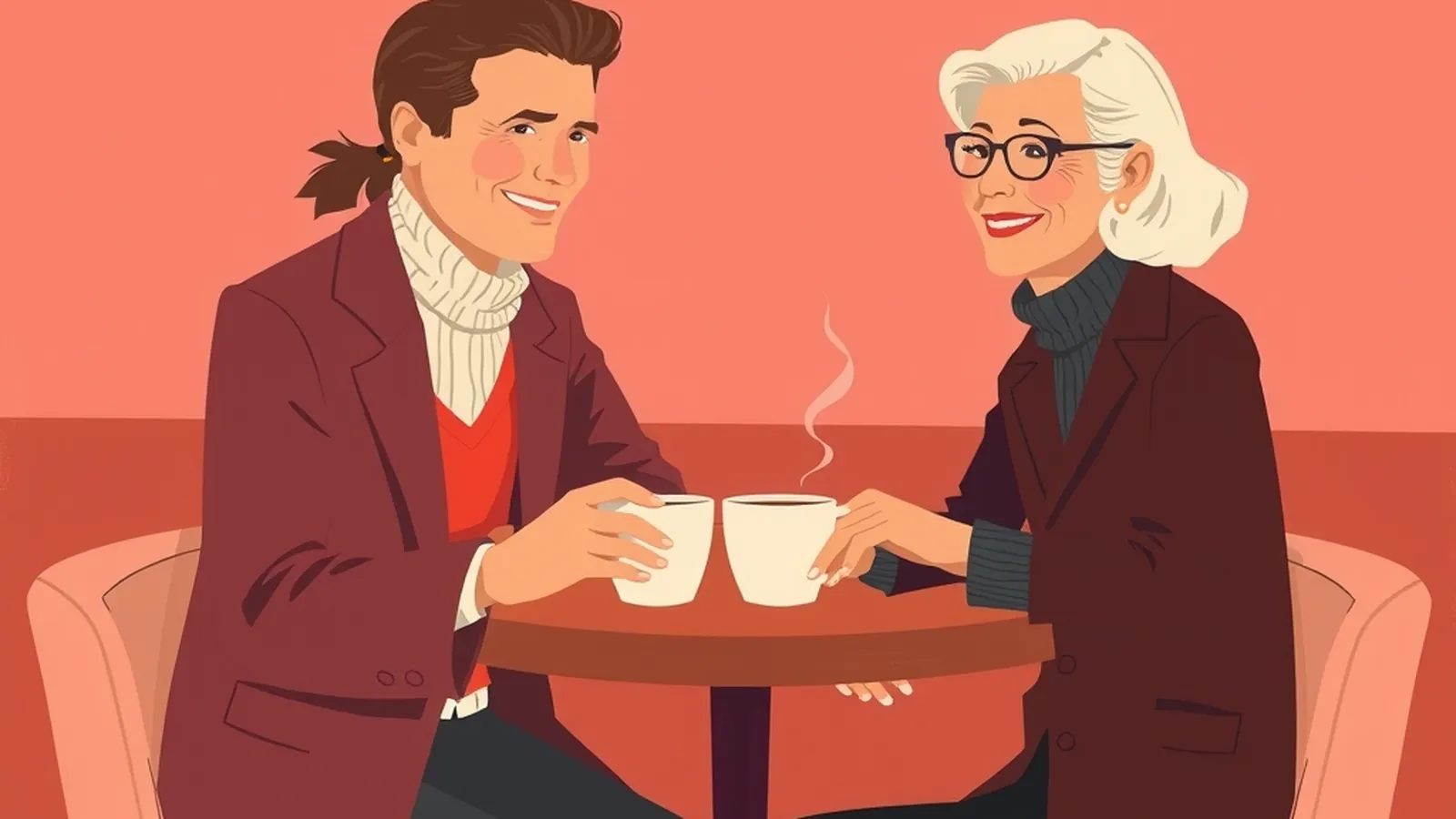
There's no single rule for who pays on a first date. The most common fair options are splitting the bill, having the person who invited pay, or taking turns. What matters most is saying something simple and friendly, not making it a test, and remembering that paying never means the other person owes you anything.
You can read the companion pieces in our Texting & First Dates section. Below you'll find a way to decide before the date, exact lines for the table, how to handle a budget mismatch, and what to do when things get awkward.
Why this question feels so loaded
For a long time, many people grew up hearing one script: one person (usually the man) pays, and the other says thank you. Today, people date across genders, in same-sex couples, after divorce, with different incomes and with very different family traditions. One script can't fit all of that.
So the bill becomes a small moment where two people's expectations meet. That's why it can feel tense. The good news is that most people care much less about who pays than about how it's handled: whether it felt easy, kind and free of pressure.
Our first date tips include a quick table of common approaches. This page goes deeper into choosing one and handling the moments around it.
Decide before you get there
The easiest bill is one you've thought about ahead of time. Ask yourself three questions:
- Who suggested the plan? If you did the inviting, be ready to pay, and be gracious if your date wants to split.
- What can you comfortably afford? Pick a place where paying for both wouldn't stress you, even if you plan to split.
- What feels fair to you? Some people love treating. Some feel uneasy being treated by a near-stranger. Both are fine, and knowing your own preference helps you say it kindly.
You can even mention it in the invite. When you're asking someone from an app, a clear plan makes yes easier, and our guide on when to ask for a date online covers how to word that first invitation. A line like "Coffee's on me, my treat for dragging you to my favorite spot" removes the question before it starts.
What to say when the check arrives
Here are lines for each approach. Use whichever sounds like you.
If you'd like to split:
- "Want to split this?"
- "Shall we go halves?"
- "Let me get my part."
If you'd like to pay:
- "I asked you out, so this one's mine."
- "Let me get this. It was my idea."
- "My treat today. I'm glad we did this."
If you'd like to take turns:
- "I'll get this one, and you can get the next if there is one."
- "How about I cover coffee and you cover the pastry?"
If you're at a counter-service spot:
- "I'll grab mine at the register, want to order first?"
Say it once, warmly, and then move on. A long debate at the table is usually more awkward than whatever was decided.
When your date offers first
If your date reaches for the bill and you're happy to be treated, a sincere "Thank you, that's really kind" is all it takes. You can offer to get the next thing, like a dessert or a second round of tea, if that feels natural.
If you'd rather pay your share, try: "That's sweet, but I'd like to chip in." If they insist a second time, it's okay to let it go gracefully and say thanks. Some people truly enjoy treating, and turning it into a contest can take the warmth out of it.
When budgets don't match
Sometimes one person earns a lot more, or one person is a student, between jobs or saving hard. That doesn't need to be a problem, but it helps to be honest early.
- If money is tight for you: suggest places you can afford. "I'm on a budget this month, want to grab tea and walk by the river?" There's nothing embarrassing about that. Our cheap date ideas page has plans that cost very little or nothing at all.
- If your date picked somewhere pricey: you can steer gently. "That place looks great. Would you be up for somewhere more casual for a first meet?"
- If you earn more: offering to pay can be kind. Do it without fanfare, and don't bring it up again.
Paying never buys anything
This part matters more than any etiquette tip. Paying for a date is a gift, not a transaction. Nobody owes a second date, affection, a kiss or anything physical because someone else covered the bill.
If you're the one paying, let go of any sense of "they owe me." If you're being treated and feel uneasy about expectations, it's fine to pay your share instead. And if someone ever implies that dinner means you owe them something, that's a red flag worth taking seriously. Our guide to dating red flags covers pressure like this and how to respond.
Handling awkward moments
The card gets declined. It happens to everyone. "Oh no, let me try my other one" or "Could you cover me? I'll send it to you tonight." Then actually send it.
You both reach at once. Laugh, and pick a default: "Let's split it, then nobody wins."
Your date says nothing and waits. You can ask kindly: "How do you want to handle this?" It's a fair question, not a confrontation.
Your date makes a speech about money. Stay calm and polite. You don't have to agree, and you don't have to decide anything about a second date right there.
Most of these moments are small. How you each handle them, with humor and patience or with irritation, can tell you a lot about how you'd get along. For more on the unspoken rules that come up early on, our dating etiquette guide covers lateness, phones, texting and saying no kindly.
A worked example
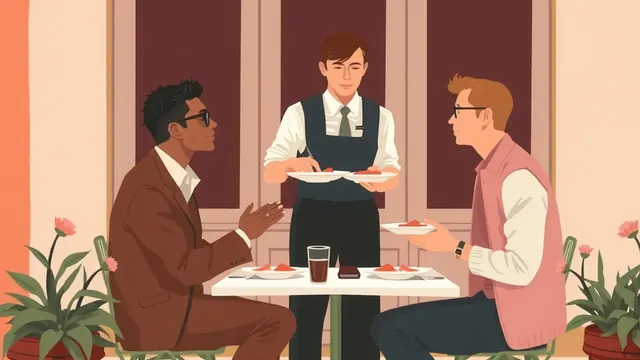
Marcus invited Jordan to a taco spot after they met on an app. Before going, Marcus decided he'd offer to pay since he suggested the plan, and he chose a place he could easily afford for two.
When the check came, Marcus said, "I asked you out, so this one's on me." Jordan replied, "That's nice of you, but I'd like to split." Marcus smiled, said, "Fair enough," and they each paid half. Total time: about fifteen seconds. Neither of them thought about it again.
That's the whole goal. A short, kind exchange, and back to the conversation.
Your quick plan for today
- Decide your default (split, treat or take turns) before you go.
- Choose a place where paying for both wouldn't stress you.
- Have one line ready to say.
- Accept a "no thanks" or an offer graciously.
- Remember that nobody owes anything for a meal.
If you've been reading a lot of online advice that turns the bill into a loyalty test or a power game, our guide to dating program red flags explains why that kind of thinking tends to backfire. A good date leaves both people feeling respected, whoever pays.
Curious about a dating or relationship course?
Some people like the structure of a paid course. This button opens a third-party dating or relationship program from one of our advertising partners. Its claims are its own, not ours, so weigh them against our red flags checklist.
See the partner program →We may be paid when you click. The program shown can change. Read its terms before you buy anything. How this works
Frequently asked questions
Should the man pay on the first date?
Not by rule. Some people of all genders like to treat, and some prefer to split, and both are fine. What matters is that you talk about it plainly and that nobody feels pressured or keeps score.
Is it rude to ask to split the bill on a first date?
No. Asking "Want to split this?" is polite and common, especially when you met online. Say it warmly and without a lecture, and accept graciously if your date says they'd like to treat.
Does paying for a date mean the other person owes you something?
No. Paying for a coffee or a meal is a kind gesture, not a deal. Nobody owes affection, a second date or physical contact because someone else picked up the bill.