Commitment & Love: From Dating to Something Real
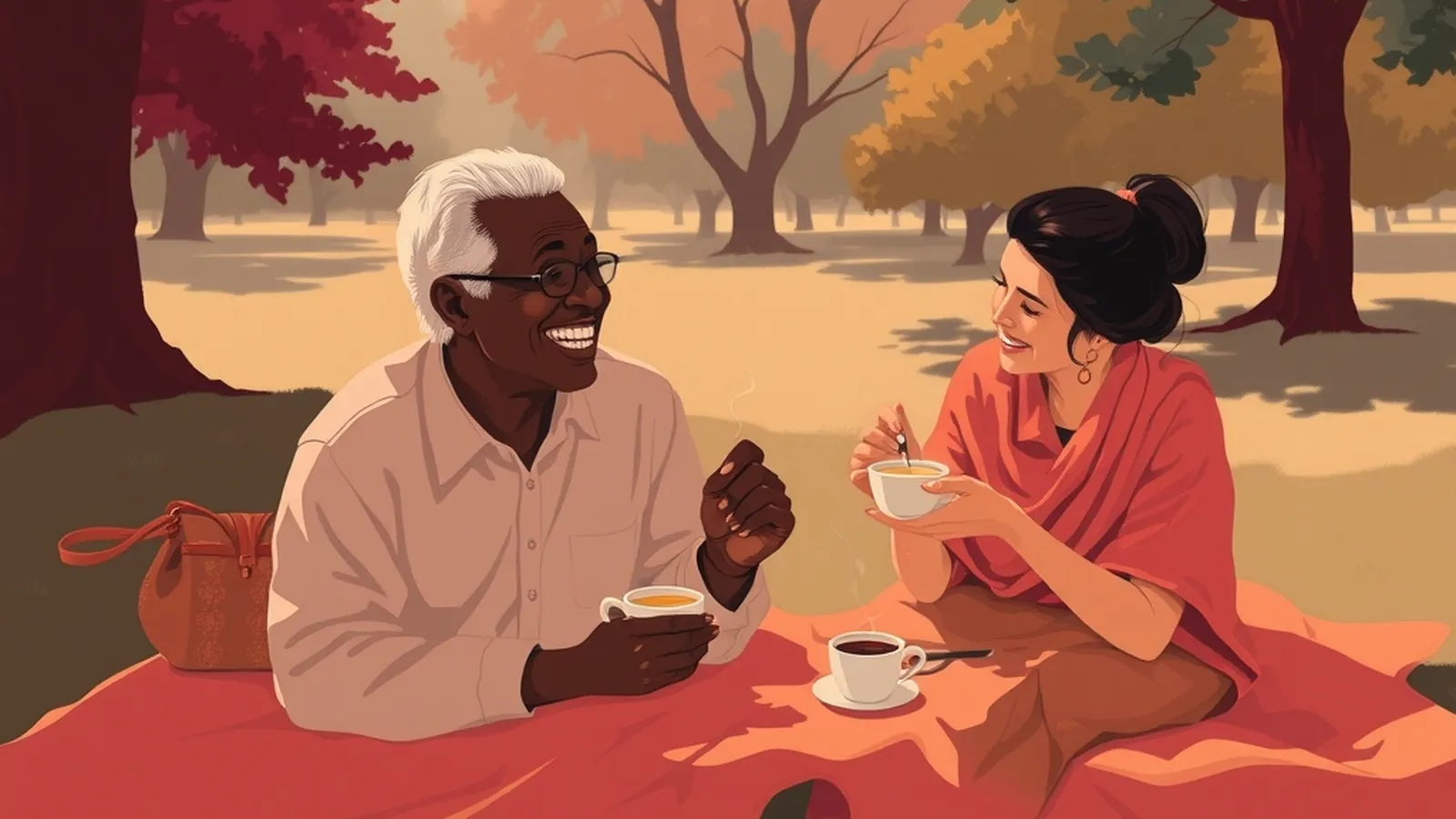
Commitment is what happens when two people who enjoy each other decide, out loud, to build something together. Getting there and staying there depend far more on honest conversations than on perfect timing or clever moves. This section covers the whole stretch, from "So, what are we?" to keeping a long relationship warm years in.
Maybe you found us by typing something like "how to get a girlfriend" or "why does he pull away" at midnight. Welcome. Those searches are real and we answer them directly, but every guide here is written for people of any gender and orientation, because the core of a good relationship looks surprisingly similar for everyone.
 Define the RelationshipWhen to have the "what are we?" talk, word-for-word scripts, and what to do if you want different things.
 How to Get a GirlfriendWhere to meet people, how to be a good date, and how dating turns into an actual relationship.
 What Men WantAppreciation, respect, trust and closeness, plus an honest look at the "hero instinct" idea.
 Why He Pulls AwayStress, pace, old patterns or fading interest: how to tell the difference and talk about it kindly.
 Attachment StylesSecure, anxious, avoidant and fearful-avoidant patterns, how they shape dating, and how people grow more secure.
 Keep the Spark AliveSmall daily bids, kinder conflict and shared novelty: what helps couples stay close for the long haul.
 Friends With BenefitsHow to talk about expectations, boundaries and changing feelings, and how to end a casual arrangement well.
Where to start
Relationships rarely bring you one neat problem at a time. A tense month might involve a missing conversation about exclusivity, two different needs for space, and a routine that has gone a bit flat. Pick the thread that feels loudest and start there.
| If this sounds familiar | Start here |
|---|---|
| "We've been seeing each other for a while, but I don't know what we are." | How to define the relationship |
| "I'd like a partner, but nothing seems to turn into anything." | How to get a girlfriend (or any partner) |
| "I want my partner to feel loved, and I'm not sure what matters to him." | What men want in a relationship |
| "Things were great, and now they've gone quiet." | Why people pull away |
| "I keep repeating the same pattern with different people." | Attachment styles |
| "We love each other, but it feels like we're roommates." | How to keep the spark alive |
| "We agreed to keep it casual, and now I'm confused." | Friends with benefits |
What healthy commitment looks like
Commitment isn't a single moment, like a title change or a key to someone's apartment. It's a set of everyday habits that add up to "I can count on you." In a healthy relationship you'll usually notice:
- You can say what you want without rehearsing it for three days or bracing for a fight.
- Disagreements end in repair. Someone apologizes, someone softens, and you both feel a little closer afterward instead of further apart.
- Each of you keeps a life. Friends, hobbies and alone time don't disappear, and nobody has to ask permission to have them.
- Limits are respected the first time. A "no" about money, sex, plans or privacy doesn't turn into a negotiation.
- Affection shows up in small ways. A text that says "thinking of you," a cup of coffee made the way they like it, a laugh at the same dumb joke for the fortieth time.
None of this requires a perfect partner or a perfect you. It requires two people who are willing to keep showing up and keep talking.
The middle stretch is normal
The early sparks of dating are fun, and the settled comfort of a long relationship is lovely. The part in between can feel shaky. You might wonder whether a quiet weekend means they've lost interest, or whether your different love of plans versus spontaneity is a dealbreaker.
Some of that wobble is about fit, which is why it helps to understand the difference between chemistry and compatibility before you decide what a rough patch means. Some of it is old nerves; if the anxiety started long before this person, our guide to dating anxiety offers steadier ground. And if you're still at the "do I text after date two?" stage, the after the first date guide is the better fit for now.
Honest effort beats tactics
You'll find plenty of online courses promising to make someone commit, come back or never leave. No one can promise that, and the tactics they sell, like pulling back on purpose or stirring up jealousy, tend to damage trust. If you're thinking about paying for help, our guide to choosing a dating program explains what good coaching looks like and what to steer clear of.
What actually helps is less dramatic: asking clear questions, listening to the answers, and deciding what you'll do with them. Advice can improve your odds and make the process kinder, but it can't control another person's heart. That's not a flaw in the advice. It's what makes love freely given.
When it isn't a communication problem
Most relationship struggles come from mismatched needs, stress or unclear expectations. Some don't. If a partner tracks your phone, cuts you off from friends, controls your money, threatens you, or makes you afraid to say no, that isn't something better communication on your part can fix.
Heartbreak, loneliness and worry about relationships are common, and they're easier to carry with help. If sadness, anxiety or old hurt feels intense or won't lift, a licensed therapist can help. If you're in crisis in the US, call or text 988 (Suicide & Crisis Lifeline).
Curious about a dating or relationship course?
Some people like the structure of a paid course. This button opens a third-party dating or relationship program from one of our advertising partners. Its claims are its own, not ours, so weigh them against our red flags checklist.
See the partner program →We may be paid when you click. The program shown can change. Read its terms before you buy anything. How this works
Frequently asked questions
How long should you date before becoming exclusive?
There's no correct number of dates or weeks. Many couples bring it up after a few weeks to a few months of seeing each other regularly, and the right time is whenever you both want to stop seeing other people and can talk about it openly.
What makes a relationship healthy?
Both people feel safe being themselves, saying what they need and disagreeing without fear. Healthy couples still argue, but they repair afterward, respect each other's limits and keep choosing each other.