What Men Want in a Relationship, Honestly
Most men want what most people want in a relationship: to feel appreciated, respected, trusted and emotionally close to someone who's also on their side. Many also value a partner they can relax and laugh with, and room to keep their own friends and interests. Every man is an individual, so the best way to learn what your partner wants is to ask him and watch what makes him light up.
More guides like this one live in our Commitment & Love section. It's written for anyone dating or partnered with a man, whether you're a woman, a man or nonbinary.
Why there's no single answer
Search results on this topic are full of sweeping claims about how "men are wired." Be skeptical. Men differ wildly in how much alone time they want, how they show love, how much they like to talk about feelings and what makes them feel close. A quiet engineer in his fifties and a chatty twenty-something barista might want very different things, and so might two men who look alike on paper.
These needs also don't change much with the gender of the partner. A man dating a woman and a man dating another man often describe wanting the same basics: to be valued, to be trusted and to have someone who stays curious about them. Culture, upbringing and past relationships shape the details far more than gender does, which is one more reason to ask rather than assume.
What many relationship therapists do point to is a set of needs that show up across genders. Think of the list below as good starting questions, not a rulebook.
Five things many men say matter
1. Feeling appreciated. Being thanked for effort, not only results. A lot of men say they rarely hear specific praise, so it tends to land.
2. Feeling respected. Having opinions taken seriously, not being mocked in front of friends, and being treated as a capable adult rather than a project.
3. Being trusted. Not having every text checked or every night out questioned. Trust given freely tends to grow more trust.
4. Emotional closeness. Contrary to the stereotype, plenty of men want to talk about fears and hopes. Some need a side-by-side setting, like a drive or a walk, to open up.
5. Friendship and fun. Shared jokes, adventures and lazy Sundays. Many long-term couples describe their partner as their best friend.
If you notice the energy between you fading even though these basics are in place, our guide on keeping the spark alive covers the small, everyday habits that keep couples feeling close.
About the "hero instinct"
You may have run into the phrase "hero instinct" in an article, ad or video promising to make a man devoted to you. Here's the honest background.
The term was coined by James Bauer, a relationship coach, as part of his marketing. It isn't an established concept in peer-reviewed psychology, and you won't find it in research on how relationships work. The pitch usually suggests that if you say certain phrases or act a certain way, a man's commitment will switch on automatically. No phrase can do that to any person.
That said, the idea underneath it is real and very human. People of every gender like to feel needed, useful and good at things. If you've ever glowed when a friend asked for your advice, you know the feeling. In a relationship, that can look like:
- Asking for his opinion on something he knows well, because you value it.
- Letting him help when he offers, instead of insisting you've got it.
- Telling him when something he did made your life easier.
- Noticing his competence out loud: "You were really calm with that customer."
The key difference is honesty. Sincere appreciation builds closeness. Pretending to be helpless, or using flattery as a tool to get commitment, is manipulation, and partners usually sense it. Programs that sell special phrases to "make him commit" are a warning sign, and our guide to dating program red flags explains how to spot them.
What he probably doesn't want
People are individuals, but a few things tend to wear down closeness for almost anyone:
- Constant criticism, even framed as jokes.
- Tests, like going silent to see if he notices.
- Being compared to exes, friends' partners or celebrities.
- Feeling like nothing he does is quite enough.
If your partner seems to be withdrawing, it may be stress, a mismatch in pace or something else entirely. Our guide on why people pull away walks through common reasons and how to talk about it without blame.
How to find out what your partner wants
The surest source of information is the person in front of you. Some questions that open the door without feeling like an interview:
- "When do you feel most loved by me?"
- "What's something small I do that you really like?"
- "Is there anything you wish we did more of?"
- "How do you like to be supported when you're stressed? Talk it out, distraction, or space?"
- "What did your parents' relationship teach you that you want to keep, or leave behind?"
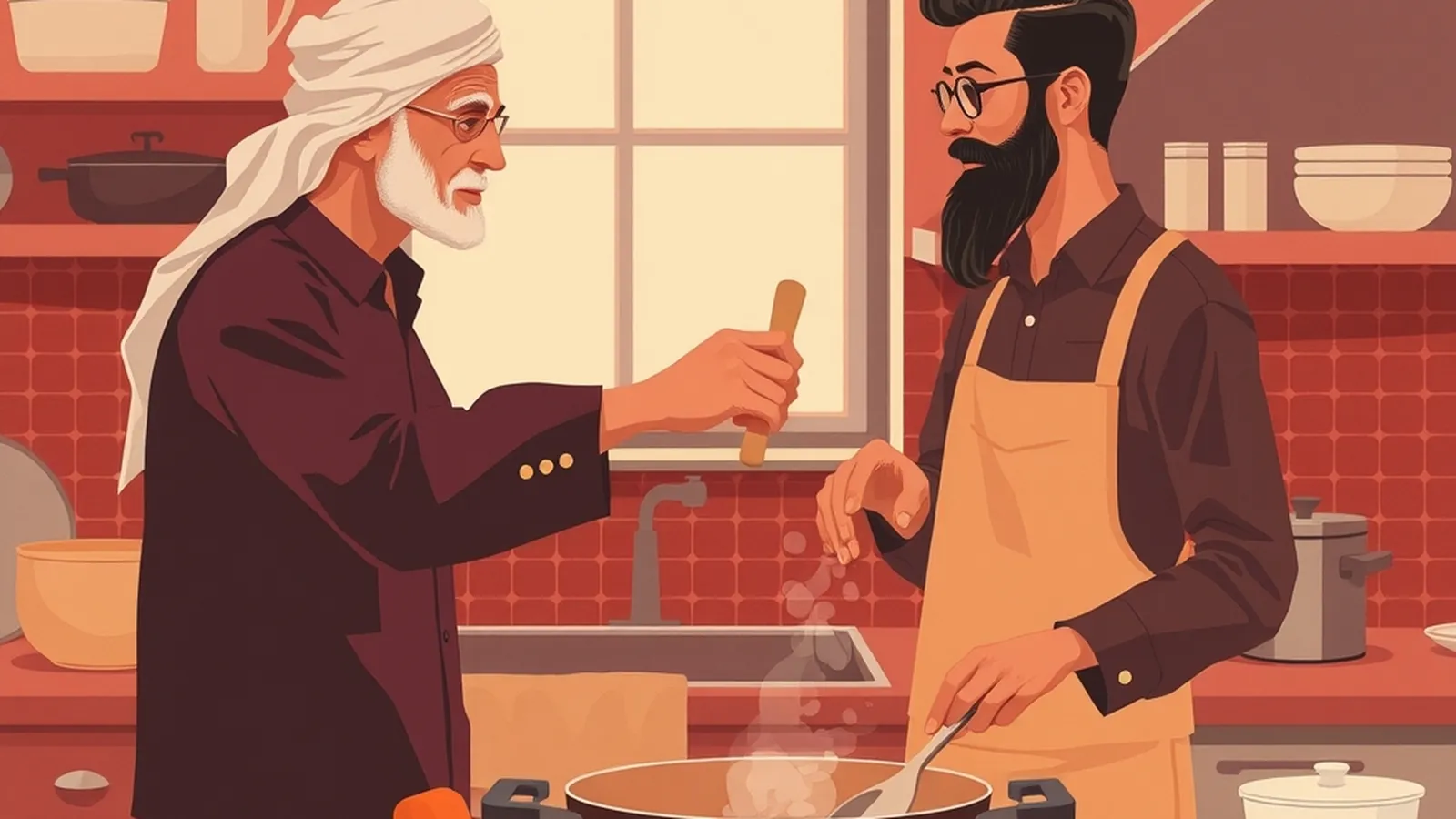
Here's a worked example. Mateo and Chris have been together a year. Chris assumes Mateo wants more date nights. When he finally asks, Mateo says what he really misses is the two of them cooking together on weeknights, phones away. It's cheaper, easier and exactly what Mateo wanted. Asking saved months of guessing.
Compatibility still matters
Even if you meet every need on this list, some pairs aren't a long-term fit. Different views on kids, money, faith or where to live can matter more than how appreciated anyone feels. If you're unsure whether the issue is effort or fit, our guide to chemistry vs. compatibility can help you sort it out.
And if you're early on and still wondering what you are to each other, start with how to define the relationship, because it's hard to meet someone's needs when you don't know what you're building.
Try this today
- Name one specific thing your partner did this week that you appreciated, and tell him.
- Ask one question from the list above, then listen without fixing or defending.
- Notice one moment where he seemed most relaxed or happy with you, and plan a little more of it.
Curious about a dating or relationship course?
Some people like the structure of a paid course. This button opens a third-party dating or relationship program from one of our advertising partners. Its claims are its own, not ours, so weigh them against our red flags checklist.
See the partner program →We may be paid when you click. The program shown can change. Read its terms before you buy anything. How this works
Frequently asked questions
What do men need most in a relationship?
Many men say they want to feel appreciated, respected, trusted and close to their partner, which is what most people of any gender want. The most reliable way to know what your partner needs is to ask him.
Is the hero instinct real?
"Hero instinct" is a marketing term coined by the relationship coach James Bauer, not an established idea in peer-reviewed psychology. The human need underneath it, wanting to feel needed and capable, is real and shared by people of every gender.
How do I make a man feel appreciated?
Notice specific things he does and thank him for them, out loud. "Thanks for handling the car stuff, it took a load off me" lands better than a general "you're great."