How to Keep the Spark Alive in a Long-Term Relationship
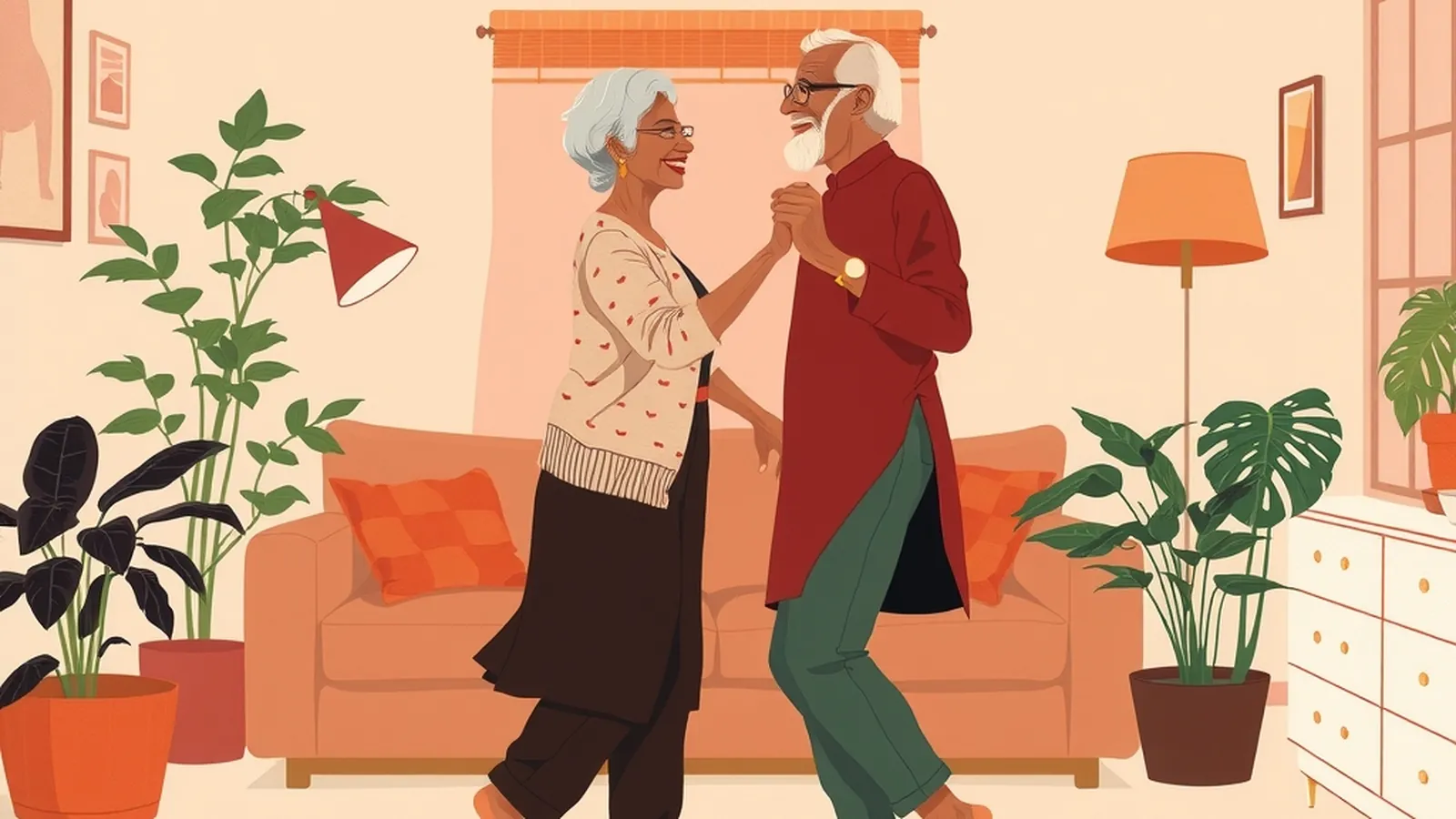
To keep the spark alive, pay attention to the small moments when your partner reaches for connection, keep conflict kind, and keep doing new things together. Big romantic gestures are lovely, but closeness usually lives in everyday habits: a question answered warmly, a joke shared, a hand on a shoulder. The good news is that these habits are learnable at any stage.
Want the bigger picture? Start with our Commitment & Love section. It's for couples who love each other but feel the warmth slipping into routine.
Why the spark fades (and why that's okay)
Early dating is full of novelty. Everything is new, so everything feels exciting. As life fills up with jobs, bills, kids, pets and laundry, that novelty fades. This is normal, not a sign that something is broken.
Some of what fades is chemistry, and some of what remains is compatibility. If you're curious how those two differ and why both matter over the years, our guide to chemistry vs. compatibility breaks it down.
Bids: the tiny moments that matter most
The psychologist John Gottman studied couples for decades and noticed something simple but powerful. Partners constantly make small "bids" for connection: a comment, a question, a touch, a sigh meant to be noticed. "Look at that bird." "Ugh, what a day." A hand on your back as they pass.
Each bid is a small invitation. You can turn toward it ("Oh, cool, what kind is it?"), turn away (scroll on your phone without answering) or turn against it ("Can you not, I'm busy"). Gottman paid close attention to whether partners turn toward these bids, because those small responses add up over months and years.
Here's how that looks day to day:
| Bid | Turning toward | Turning away |
|---|---|---|
| "This song reminds me of our road trip." | "Ha, the one where we got lost? That was great." | "Mm." |
| A sigh while reading email | "Rough one? Want to talk about it?" | No response |
| A text with a funny photo | A quick laugh back | Leaving it unread for hours without reason |
| "Want to take a walk later?" | "Yes, after dinner?" | "Maybe," and never bringing it up again |
Turning toward doesn't mean dropping everything. Sometimes it's "I want to hear this. Give me five minutes to finish this email."
The five-to-one balance
Gottman also found that stable couples have about five positive interactions for every negative one during conflict. Positive interactions can be small: a joke that lightens the mood, a nod that shows you're listening, a "you've got a point." The idea isn't to avoid ever disagreeing. It's to keep enough warmth in the room that a disagreement doesn't swamp the relationship.
A helpful habit: during your next argument, notice whether you're mostly correcting your partner or also acknowledging them. "I hear that you're tired, and I'm frustrated too" is one positive and one honest point in the same breath.
The Four Horsemen to watch for
Gottman described four behaviors that predict trouble in relationships. He called them the Four Horsemen:
- Criticism. Attacking your partner's character instead of describing a problem. "You never think about anyone but yourself."
- Contempt. Mockery, eye-rolling, sarcasm meant to wound.
- Defensiveness. Making excuses or flipping blame instead of hearing the concern.
- Stonewalling. Shutting down and withdrawing from the conversation entirely.
Everyone slips into these sometimes. The aim is to notice and swap in something gentler. Instead of criticism, try a gentle start: "I felt stressed when the dishes piled up. Can we figure out a system?" Instead of stonewalling, say "I'm overwhelmed. Can we take twenty minutes and come back to this?"
If one of you tends to pull back during conflict and the other pushes harder, that pattern may be connected to your attachment tendencies. Our guide to attachment styles explains how those patterns meet and how couples bridge them.
Novelty: try something new together
Many couples therapists recommend doing new, a little bit challenging things together to recapture some of that early excitement. It doesn't need to cost much. Ideas:
- Take a class neither of you has tried, like pottery, salsa or a language.
- Cook a cuisine you've never made, start to finish, together.
- Explore a neighborhood or trail you've never visited.
- Plan a mini trip where each of you chooses one surprise stop.
- Revisit the place you had your first date and talk about how you've changed.
Priya and Sam, together nine years, started a "first Saturday" habit: once a month, they take turns planning something neither has done before. Some outings are flops. Those often become their favorite stories.
Love languages, with an honest caveat
Gary Chapman's 1992 book The Five Love Languages describes five ways people express and receive love: words of affirmation, quality time, receiving gifts, acts of service and physical touch. The idea is that partners may feel loved in different ways and miss each other's efforts.
Research support for the specific theory is limited, so don't treat it as science or as a strict personality type. But many couples find it a useful conversation starter. Try asking each other: "What's something I do that makes you feel most cared for?" You may find that one of you treasures a handwritten note while the other lights up when you handle a chore without being asked.
For more on what many partners say they need to feel close, our guide to what men want in a relationship explores appreciation, respect and trust, needs that apply across genders.
Remember what drew you together
The habits that started your relationship, like curiosity, flirting, making an effort and asking good questions, keep it alive too. If you've drifted from those, look back at how you met. Our guide on how to get a girlfriend (or any partner) describes the early habits of being good company, and they work just as well ten years in.
A seven-day spark plan
- Day 1: Notice three bids from your partner and turn toward each one.
- Day 2: Thank them for something specific.
- Day 3: Ask a question you've never asked, like "What's a dream you've let go of?"
- Day 4: Put phones in another room for dinner.
- Day 5: Plan one new activity for the coming weeks.
- Day 6: Share a favorite memory of the two of you.
- Day 7: Ask "What made you feel loved this week?" and listen.
If the distance between you feels bigger than habits can fix, or old resentments keep resurfacing, a licensed couples therapist can help you both find your way back.
Curious about a dating or relationship course?
Some people like the structure of a paid course. This button opens a third-party dating or relationship program from one of our advertising partners. Its claims are its own, not ours, so weigh them against our red flags checklist.
See the partner program →We may be paid when you click. The program shown can change. Read its terms before you buy anything. How this works
Frequently asked questions
Is it normal for the spark to fade in a relationship?
Yes. The giddy early rush usually settles as you get comfortable, and that's normal. Many couples find that a calmer, deeper closeness replaces it, and novelty and attention can bring back plenty of excitement.
How do you rekindle a relationship that feels like roommates?
Start small: turn toward each other's everyday bids for attention, plan something new together, and make time to talk about more than chores. If resentment runs deep, a couples therapist can help you both reset.
Do love languages really work?
Research support for the specific five love languages theory is limited. Still, many couples find it a helpful way to start talking about how each person likes to give and receive care.