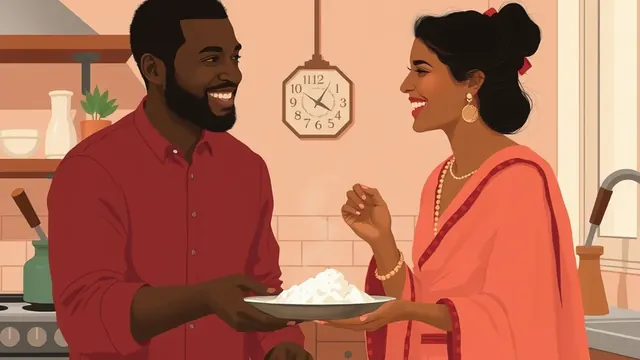
Chemistry vs. Compatibility: Why You Need Both

Chemistry is the spark: the excitement, ease and physical pull you feel around someone. Compatibility is the fit: how well your values, goals, habits and ways of handling problems line up over time. Chemistry often gets two people together, and compatibility tends to decide whether they stay happy together. A healthy, lasting relationship usually needs some of both.
You can find related guides in our attraction and chemistry section. Below you'll find clear definitions, a side-by-side table, a few common patterns, and a values checklist you can use with someone new.
What chemistry is
Chemistry is hard to pin down because it's a feeling, not a fact. People describe it as:
- Conversation that flows without effort.
- Feeling nervous and excited before seeing them.
- Wanting to be physically close.
- Losing track of time together.
- A sense that they "get" you right away.
Chemistry can come from shared humor, physical attraction, familiar energy, or the novelty of someone new. It's real and it's lovely. It's also a poor predictor, on its own, of how two people will handle rent, holidays or a tough year.
For more on why we feel drawn to some people and not others, see what makes someone attractive, which covers similarity, familiarity and the famous bridge study.
What compatibility is
Compatibility is about how two lives fit together. It shows up in:
- Shared core values, like honesty, kindness, faith or politics if they matter to you.
- Similar hopes for the future, such as kids, location and how you want to spend your time.
- Ways of handling money, conflict, family and friends that can work side by side.
- Daily rhythms that don't constantly clash.
- Respect for each other's needs, even where you differ.
Compatibility doesn't mean being the same. Marisol is an early riser and her husband Theo is a night owl, and it works because they agree on what matters and talk through the rest.
Chemistry vs. compatibility at a glance
| Chemistry | Compatibility | |
|---|---|---|
| What it is | Spark, excitement, pull | Fit of values, goals and habits |
| How fast you notice it | Often right away | Over weeks and months |
| How it feels | Thrilling, sometimes anxious | Calm, steady, safe |
| What it's good for | Starting a connection | Building a life together |
| What it can hide | Big differences you haven't talked about | A slow-building spark |
| Can it change? | Yes, it rises and settles | Yes, as people grow, though core values are slower to shift |
| How to learn more | Spend time together | Talk honestly and watch how they act |
Four common patterns
High chemistry, low compatibility
The relationship feels electric, but you keep clashing on big things. This can show up as a cycle of closeness and distance, which may feel like the other person is sending mixed messages. Our guide to mixed signals can help you figure out what's going on and how to ask.
Low chemistry, high compatibility
You agree on almost everything, but something feels flat. Give it a few dates if you enjoy their company, because a quiet spark sometimes grows. If it doesn't after a while, it's kind to both of you to say so.
Compatibility that grew into chemistry
This often happens between friends. Years of trust and shared values can turn into attraction. If you're in that spot, our guide to going from friends to more explains how to say how you feel without risking the friendship carelessly.
Both
The happy middle. You enjoy each other and your lives fit. That doesn't mean zero effort. It means the effort feels worth it.
Why both matter
Without chemistry, a relationship can feel more like a roommate arrangement. Without compatibility, it can feel like a thrilling ride with no brakes. The two also overlap more than they seem: Donn Byrne's research on similarity linked shared values with attraction itself, so getting along on what matters can feed the spark too.
Chemistry also isn't fixed. Long-term couples often talk about the early spark settling into something warmer. Keeping attraction alive takes small daily attention, and our guide to keeping the spark alive explores how couples do that.
A values checklist for a new relationship
You don't need to interview someone on the second date. Over the first few months, see how you each feel about these. Mark each one as "we agree", "we differ but can work with it" or "this might be a dealbreaker".
- Commitment: Do you both want something casual, serious or still figuring it out?
- Kids: Do you want them, not want them, or feel unsure?
- Where to live: City, small town, near family, open to moving?
- Money: Saver or spender? How do you feel about debt and sharing costs?
- Conflict: Do you talk things out right away or need time to cool down?
- Family and friends: How involved should they be in your life?
- Faith and values: Do spiritual or political beliefs shape your daily choices?
- Time together vs. apart: How much alone time does each of you need?
- Health and habits: Drinking, exercise, sleep, screen time?
- Kindness under stress: How do they treat you, and others, on a bad day?
Easy ways to bring these up:
- "I've been thinking about whether I want to stay in this city long-term. How about you?"
- "When you and your last roommate disagreed, how did you two usually sort it out?"
- "What does a really good Sunday look like for you?"
What to do with what you learn
If you mostly agree, great. Keep enjoying each other. If you differ on a few smaller things, talk about how you'd make it work. If you hit a true dealbreaker, it's okay to end things kindly even when the chemistry is strong: "I really like you, and I've realized we want different things in a way I can't see changing. I think it's better to stop here."
Choosing a good fit over a strong spark can feel like a loss. Over time, it often feels like self-respect.
Curious about a dating or relationship course?
Some people like the structure of a paid course. This button opens a third-party dating or relationship program from one of our advertising partners. Its claims are its own, not ours, so weigh them against our red flags checklist.
See the partner program →We may be paid when you click. The program shown can change. Read its terms before you buy anything. How this works
Frequently asked questions
Can you have compatibility without chemistry?
Yes. You might agree on everything that matters and still feel no pull. Sometimes a small spark grows as you get closer, and sometimes it doesn't, and either outcome is okay.
Is chemistry more important than compatibility?
Chemistry tends to start things, and compatibility tends to keep them going. Most lasting couples have some of both, but strong chemistry can't make up for big differences in values or life goals.
Can chemistry fade and come back?
The early rush usually settles over time, which is normal. Many couples keep warmth and attraction alive with attention, play and new experiences together, so a quieter spark doesn't mean it's gone for good.