Why Does He Pull Away? Why People Go Distant and What to Do
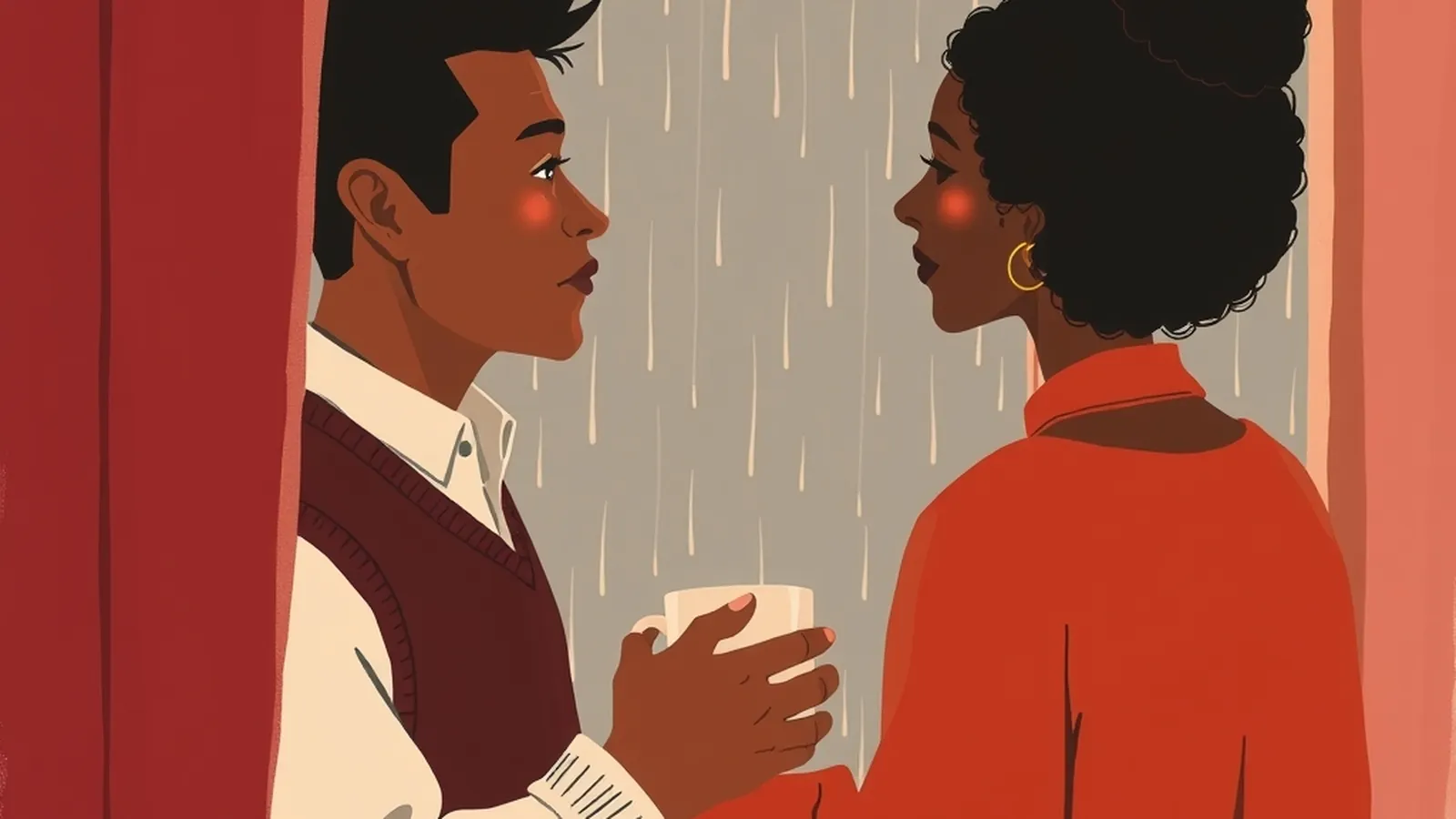
People pull away for many reasons: stress at work or home, a different pace for getting close, old patterns around intimacy, or fading interest. It's rarely possible to know which from the outside, so the kindest and most useful move is to name what you've noticed, ask once, and then pay attention to what they do next. This applies whether "he" is a boyfriend, a girlfriend or a partner of any gender.
This article belongs to our Commitment & Love section, where you can keep reading. We use "he" because it's a common search, but people of every gender go quiet for the same range of reasons.
Common reasons someone pulls away
Pulling away isn't always about you, and it isn't always about them. Here are the usual suspects:
| Reason | What it can look like | What helps |
|---|---|---|
| Stress outside the relationship | Shorter texts during a hard work stretch, tired on dates | Ask how he's doing, offer support, don't take every short reply personally |
| Different pace | You're ready for weekends together, he's still at one date a week | Talk about pace openly and find a middle |
| Discomfort with closeness | Distance right after a very close moment, like meeting family | Reassurance without pressure, steady consistency |
| Uncertainty about the relationship | Avoiding future plans, vague answers | A clear, calm conversation about where things stand |
| Losing interest | Less effort over weeks, plans that keep falling through | Ask directly, and be ready for an honest no |
Notice that only one row is about losing interest. Many people jump straight there, and it can turn an ordinary busy week into a crisis.
When closeness itself feels scary
Some people have learned, often early in life, to handle hard feelings on their own. When a relationship gets close quickly, part of them may want to step back and catch their breath. Others feel the opposite pull and want more contact when they sense distance. When those two patterns meet, one person reaching and the other retreating, things can spiral.
You can't diagnose a partner from his texting habits, and labels like "he's avoidant" tend to make conversations harder, not easier. But understanding the patterns can help you respond with less panic. Our guide to attachment styles explains them in depth, including how people with different patterns can meet in the middle.
What to do this week
1. Pause before reacting. Notice the urge to send three more texts, check his social media or pull away yourself to "even the score." None of those tend to help.
2. Check in once, warmly. Make it about what you've noticed, not a charge. For example: "Hey, you've seemed a bit far away lately. Everything okay? No pressure, I just wanted to check in."
3. Give room. If he says he's swamped or needs time, believe him for now. A reply like "Thanks for telling me. I'm here if you want to talk" keeps the door open without crowding.
4. Keep your own life going. See friends, work on a project, get outside. This isn't a tactic to make him miss you. It's how you stay steady while you wait.
5. Look at actions over time. Within a week or two, do you see effort, like a call, a plan, an apology for being distant? Or do things keep fading?
Having the bigger conversation
If the distance continues, ask for a real talk, ideally in person. A script that works for many people:
"I've noticed we've been talking less and I've been feeling unsure about where we are. I care about you and I'd rather ask than guess. What's been going on for you?"
Listen fully. If he's stressed, ask what would help. If he's unsure about the relationship, it may be time to revisit what you both want. Our guide on how to define the relationship has scripts for that, including what to do if you want different things.
Avoid tactics that promise to "make him come back," such as ignoring him on purpose, posting photos to stir jealousy or pretending you've moved on. They tend to create more distance and less trust. Courses built around those tricks are a red flag; our guide to dating program red flags explains why.
What helps people feel closer
When someone is pulling back because of stress or overwhelm, pressure rarely brings them closer, but appreciation and ease often do. Small acts like noticing what he's handling, keeping plans low-key and letting time together feel restful can make a difference. For a fuller picture of the needs many partners share, see what men want in a relationship.
Mixed messages vs. pulling away
Sometimes the problem isn't a sudden change but a steady back-and-forth: warm one day, cold the next, from the very start. That's a slightly different situation, and our guide to mixed signals covers how to read it and when to step back.
When to let go
You're allowed to leave a relationship that feels like waiting. It may be time to let go if:
- You've asked clearly and still get vague answers or none.
- The distance has lasted weeks with no effort to close it.
- You feel anxious far more often than you feel happy.
- You're shrinking your own needs so you won't "push him away."
Letting go might sound like: "I've realized I need a partner who wants to be close. I don't think that's us right now, and I'm going to step back." It hurts, and it's also a gift to your future self.
If the sadness is heavy or won't lift, or if old fears of being left are surfacing hard, a licensed therapist can help. If you're in crisis in the US, call or text 988 (Suicide & Crisis Lifeline).
When distance isn't the real problem
Some behaviors aren't pulling away at all. If a partner goes cold as punishment, threatens to leave to control you, monitors you or scares you, that's not a communication problem you can solve alone.
Curious about a dating or relationship course?
Some people like the structure of a paid course. This button opens a third-party dating or relationship program from one of our advertising partners. Its claims are its own, not ours, so weigh them against our red flags checklist.
See the partner program →We may be paid when you click. The program shown can change. Read its terms before you buy anything. How this works
Frequently asked questions
Why does he pull away when things are going well?
Sometimes closeness feels great and a little scary at the same time, especially for people who learned to rely on themselves. Other times the timing is about work or family stress, not you. Asking gently is the only way to know which.
Should I give him space when he pulls away?
Usually, yes, after you've checked in once. Say you've noticed, ask if he's okay, tell him you're around, and then give him room instead of sending more messages.
How long should I wait for him to come back?
Decide based on your needs, not a rule. If a week or two of distance comes with an explanation and effort, that's different from weeks of silence with no answer, which is often an answer in itself.