Trust Issues in Relationships: How to Feel Safe Letting Someone In
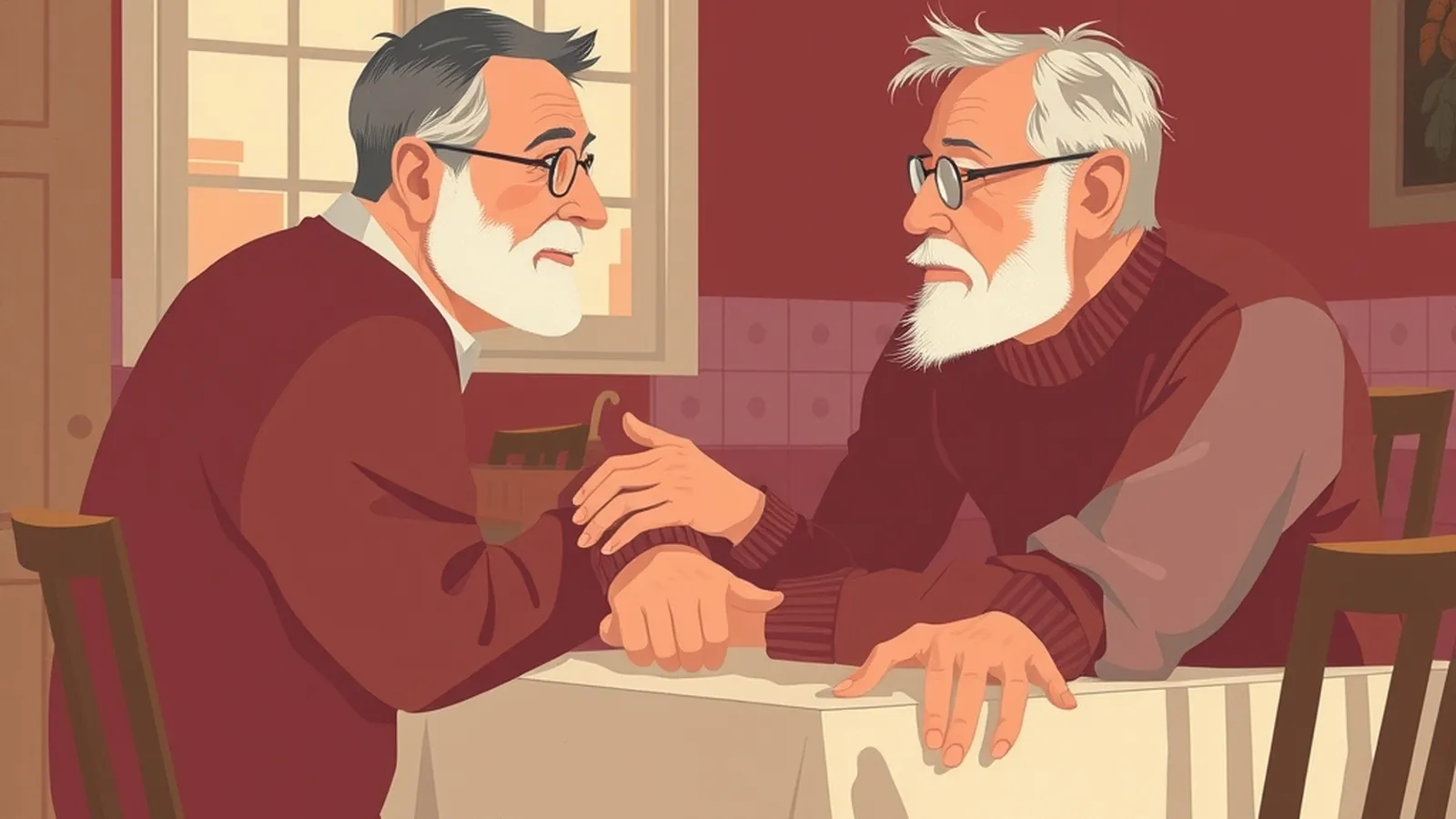
Trust issues mean you find it hard to believe a partner will be honest, reliable or there for you, even when they haven't given you a reason to doubt them, or after they did and you're trying to move forward. They usually grow from real experiences, like betrayal, a chaotic home or a partner who lied. Trust comes back in small, repeated steps: honest talk, consistent actions over time, and giving trust in amounts that feel safe.
You can find more guides on staying close in our Commitment & Love section.
What trust actually is
Trust isn't a feeling you decide to have. It's a prediction your brain makes from evidence: "When this person says they'll call, they call. When I'm upset, they don't laugh at me." Every kept promise adds a little weight to the "safe" side. Every lie or broken promise tips it back, often more sharply.
That's why trust can't be demanded or rushed. "You need to trust me" rarely works, because trust grows from what someone does, again and again, not from what they insist on.
Two kinds of trust issues
It helps to know which situation you're in, because the steps are different.
| Situation | What it sounds like | Where the work starts |
|---|---|---|
| Trust broken in this relationship | "You hid those messages, and now I don't know what's true." | The person who broke it repairs it; both decide whether to rebuild |
| Old hurt carried into this relationship | "My ex lied for years. You haven't, but I keep waiting for it." | Mostly your own healing, with your partner's patience and support |
Many people are dealing with a bit of both. Naming which one is loudest keeps you from blaming a current partner for a past partner's choices, or excusing real present-day problems as "my old baggage."
How trust issues can show up
- Expecting to be let down, even when things are going well
- Needing frequent proof: screenshots, check-ins, explanations
- Reading a late text or a vague answer as a sign of lying
- Holding back feelings or needs so you can't be hurt
- Pulling away right when things get close
- Feeling jealous of friends, coworkers or exes
That last one often travels with trust issues. Our guide to jealousy explains how to talk about it without blame.
Some of these patterns overlap with what researchers describe as attachment styles, especially an anxious or fearful-avoidant pattern. Our guide to attachment styles explains those patterns, and the reassuring news that people often grow more secure over time.
If trust was broken in this relationship
Rebuilding after a lie or betrayal is possible for some couples, but it takes real effort from the person who broke it. Look for:
- Full responsibility. No "you made me" or "it wasn't a big deal." Our guide to how to apologize explains what a real apology includes and what undermines one.
- Honest answers. The hurt person usually needs to ask questions. Answers don't have to include every painful detail, but they shouldn't be new lies.
- Changed behavior. Ending the contact, being open about plans, keeping promises, even small ones.
- Patience. The hurt person may feel fine one week and shaken the next. That's normal, not a failure.
The hurt person also gets a choice. You're allowed to try to rebuild, and you're allowed to decide you can't. If infidelity is part of your story, our guide to healing after being cheated on covers that path, whether you stay or go.
A rebuilding conversation might sound like this:
- Mateo: "I need to know you're not still talking to her. I don't want to check your phone. I want to be able to believe you."
- Chris: "That's fair. I've blocked her number, and if she reaches out I'll tell you. You can ask me about it anytime and I won't get defensive."
If old hurt is coloring a new relationship
When your partner hasn't broken your trust but your body still braces for it, try these steps:
- Spot the echo. When fear spikes, ask: "Is this about what my partner did, or what someone else did?"
- Check the facts out loud. "I got anxious when you were quiet tonight. Is everything okay?" is better than silently assuming.
- Tell your partner what helps. "If you're running late, a short text helps me stay calm" is a clear, kind request.
- Give trust in small doses. Share something a little vulnerable and notice how it's received. Let good experiences add up.
- Keep a "kept promises" note. For a few weeks, write down small moments your partner followed through. Your brain notices threats easily; this helps it notice safety too.
What doesn't rebuild trust
- Surveillance. Tracking a partner's location or reading their messages may calm you for an hour, but it keeps the fear in charge and erodes respect on both sides.
- Tests. Setting traps to see if someone fails rarely ends well, even when they pass.
- Punishment without end. If you choose to stay after a betrayal, bringing it up as a weapon in every argument keeps both of you stuck.
When it's not a trust issue
Sometimes "you have trust issues" gets used to dismiss real concerns. If a partner lies often, hides money, isolates you from friends, monitors you, or makes you feel afraid, the problem isn't your ability to trust. Our guide to toxic relationship signs describes those patterns.
When to get more support
Trust issues often grow from real pain, and it's normal to need help with them. If fear, suspicion or old memories feel intense or keep coming back, a licensed therapist can help, on your own or with a partner. If you're in crisis in the US, call or text 988 (Suicide & Crisis Lifeline).
Try this today
Finish this sentence in writing: "I'd feel a little safer if..." Pick one small, specific answer, like a goodnight text or a heads-up about plans. Then decide whether to share it with your partner this week.
Curious about a dating or relationship course?
Some people like the structure of a paid course. This button opens a third-party dating or relationship program from one of our advertising partners. Its claims are its own, not ours, so weigh them against our red flags checklist.
See the partner program →We may be paid when you click. The program shown can change. Read its terms before you buy anything. How this works
Frequently asked questions
What are signs of trust issues?
Common signs include expecting to be let down, needing frequent proof of a partner's honesty, assuming the worst about small things, and holding back feelings to stay safe. These are patterns to notice, not a diagnosis.
Can trust be rebuilt after it's broken?
Often, yes, when the person who broke it takes responsibility, changes their behavior and stays consistent over time, and the hurt person chooses to try. It usually takes months, not days, and it isn't guaranteed.
How do I stop having trust issues from my past?
Notice when an old fear is coloring a new situation, check the facts with your current partner, and give trust in small steps to people who keep earning it. A licensed therapist can help if past hurt still feels raw.