Infatuation vs. Love: How to Tell Which One You're Feeling
Infatuation is an intense rush of attraction, usually fast and focused on an idealized picture of someone. Love tends to grow more slowly, includes knowing the person's flaws, and shows up as steady care and commitment, not only excitement. Infatuation can turn into love, but only time and real closeness show whether it will.
You'll find more on feelings like these in our attraction and chemistry section. Below, we'll look at a well-known psychology model of love, a side-by-side table, questions that help you tell the two apart, and what to do while you wait for the answer.
What infatuation feels like
Infatuation can be wonderful. You think about the person constantly, replay every conversation and feel a jolt when their name lights up your phone. Small details seem meaningful. Everything they do looks charming.
The catch is that much of this feeling is built on what you imagine, because you don't know them well yet. Infatuation fills the gaps with hope. That's why it can collapse quickly when a real flaw appears, and why it can feel so strong toward someone you've barely spoken to.
What love tends to feel like
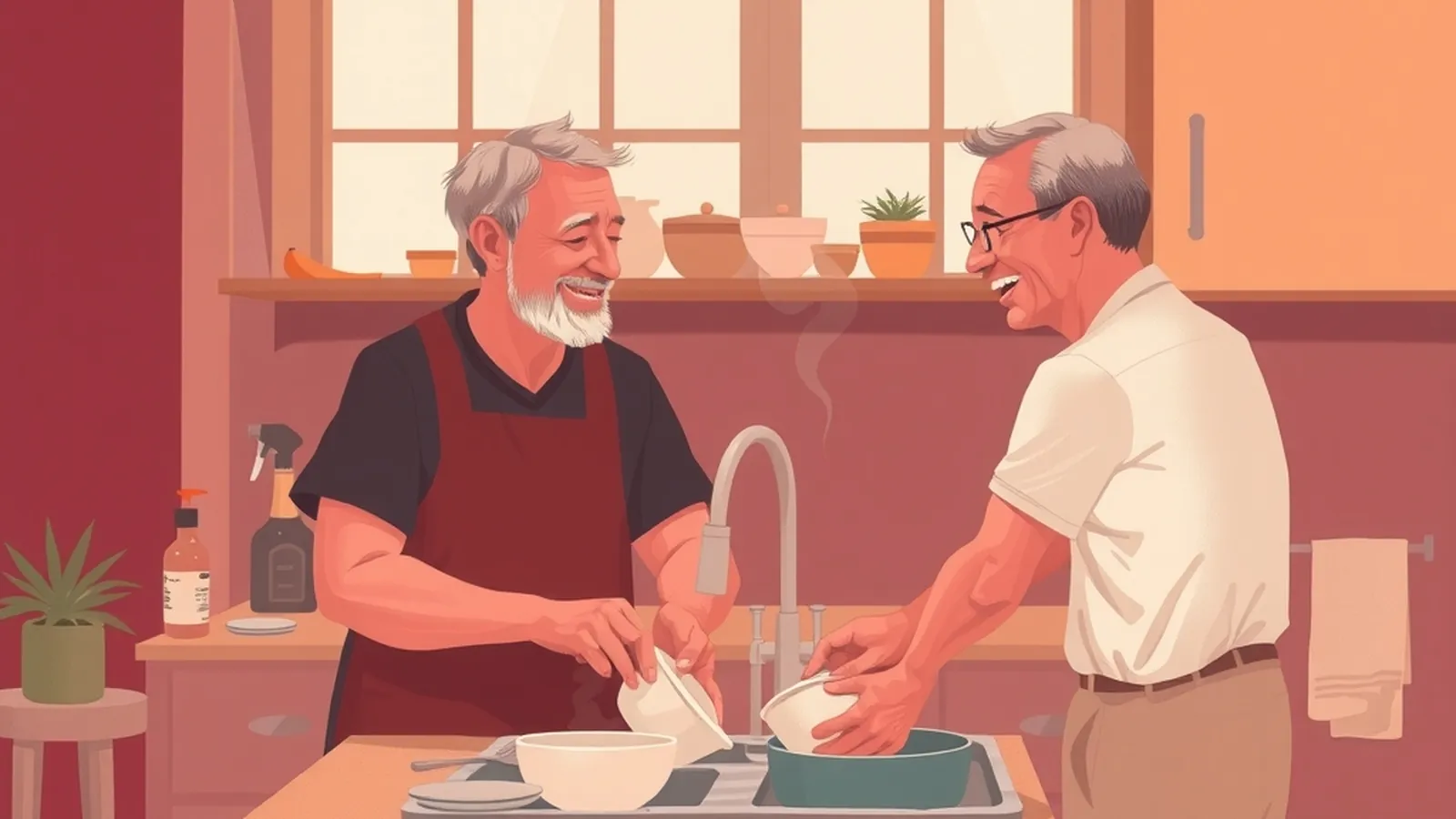
Love is often quieter. It includes attraction, but it also includes knowing how someone acts when they're tired, wrong or sick, and caring about them anyway. Love sounds less like "they're perfect" and more like "they never load the dishwasher right, and I still want to build a life with them."
Love also involves choices: showing up, keeping promises and working through disagreements. It's a feeling and a practice at the same time.
Sternberg's triangle of love
In 1986, the psychologist Robert Sternberg proposed what he called the triangular theory of love. He suggested that love has three parts:
- Intimacy: closeness, trust and feeling known
- Passion: physical attraction, desire and excitement
- Commitment: a decision to stay and keep investing in each other
Different mixes of these three produce different kinds of love. In Sternberg's model, infatuation is passion alone, without intimacy or commitment.
This explains why infatuation feels so real. The passion part is real. What's missing are the other two sides, which take time and shared experience to build. Using his three parts as a lens, you can picture how other mixes might look in everyday life:
| Mix | How it might look in real life |
|---|---|
| Passion alone | Infatuation: the electric crush |
| Intimacy alone | A close, warm friendship |
| Passion and intimacy | An exciting new relationship with no long-term plans yet |
| Intimacy and commitment | A steady, loyal partnership where the spark is quieter |
| All three | Closeness, desire and a shared choice to stay |
Infatuation vs. love: a comparison
| Infatuation | Love | |
|---|---|---|
| Speed | Arrives fast, sometimes overnight | Grows over months of shared experience |
| Focus | An idea of the person | The whole person, flaws included |
| Feeling | Thrilling, anxious, all-consuming | Warm and steady, with moments of excitement |
| Your life | Other things fade into the background | Fits alongside friends, work and goals |
| Conflict | Feels like a crisis | Feels like something to work through |
| What you want most | Their attention | Their wellbeing, even when it costs you |
Questions to ask yourself
- How well do I actually know this person? Have I seen them stressed, disappointed or wrong?
- Is my feeling about them, or about how they make me feel about myself?
- Do I like who I am around them?
- Would I still want this if the excitement dropped by half?
- Are we building real things together, like plans, habits and trust, or am I mostly imagining them?
If most of your answers point to imagination and intensity, you're probably in infatuation. That's not bad. It means it's early.
The time test
The most reliable way to tell infatuation from love is patience. Give it a few months of real contact: ordinary weeknights, a disagreement, meeting each other's friends. If closeness and respect keep growing while the rush settles, love may be forming. If the feeling fades the moment they turn out to be a regular human, it was probably infatuation.
While you wait, a few habits help:
- Keep your own friendships, hobbies and routines going.
- Hold off on big decisions, like moving in or changing cities, until you know each other better.
- Notice actions more than words. Love shows up in follow-through.
Here's how that looked for Malik and Chris. Three weeks in, Malik was sure Chris was the one. By month four, they'd survived a cancelled trip, a cold that turned Chris grumpy and an argument about money. Malik's excitement had cooled a little, but he trusted Chris more than before. That shift, from thrill to trust, is often what love looks like as it forms.
If you're wondering whether what you feel has crossed into love, how to know if you're in love looks at the signs in a growing relationship, including what brain research suggests about early romance.
Signs infatuation may be turning into love
You can't set a date on it, but these shifts often show that something deeper is growing:
- You feel calmer around them, not only more excited.
- You can see their flaws clearly and still feel warmly toward them.
- You care about their goals, even ones that don't involve you.
- Disagreements feel survivable, and you both work to repair them.
- You talk about the future in practical terms, not only daydreams.
- Time apart feels fine, and time together still feels good.
If you notice several of these, and they're true for both of you, you may be moving from passion alone toward something with all three sides of Sternberg's triangle.
When the feeling is one-sided
Infatuation often attaches to someone who isn't available or interested. If you're stuck longing for a person who doesn't feel the same, our guide to unrequited love explains why that pull can be so strong and how to ease it.
Related questions
Many people ask whether an instant, overwhelming attraction can be the real thing. Our guide to love at first sight looks at what that feeling is and what to do with it. And if you're not sure whether what you feel is romantic, physical or something else, types of attraction helps you name it.
You may also come across programs promising to turn a crush into lasting love with scripted moves. Feelings can't be scripted, and our guide to choosing a dating program explains what honest help looks like.
Curious about a dating or relationship course?
Some people like the structure of a paid course. This button opens a third-party dating or relationship program from one of our advertising partners. Its claims are its own, not ours, so weigh them against our red flags checklist.
See the partner program →We may be paid when you click. The program shown can change. Read its terms before you buy anything. How this works
Frequently asked questions
How do you know if it's infatuation or love?
Infatuation is fast, intense and focused on an idea of the person, often before you know them well. Love tends to grow over time, includes their flaws and shows up as steady care and commitment, not only excitement.
How long does infatuation last?
There's no fixed timeline. The early rush often settles as you get to know someone, sometimes in weeks and sometimes over many months. What matters is whether something steadier grows in its place.
Can infatuation turn into love?
Yes, it can. When the excitement is joined by real closeness and a shared decision to commit, a crush can become lasting love. It can also fade once the fantasy meets reality, and that's normal too.