Love at First Sight: What That Instant Spark Really Means
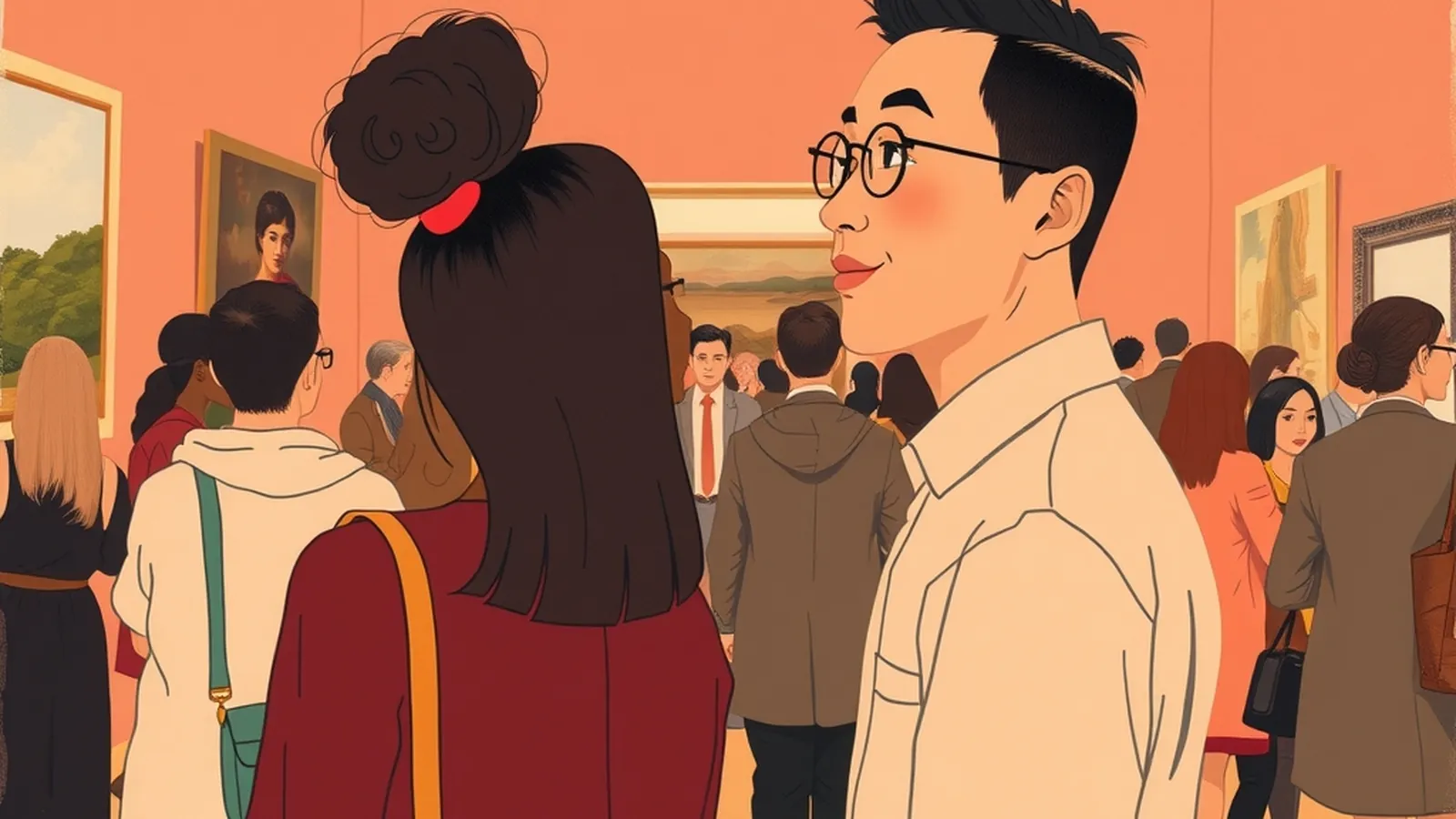
Love at first sight is real as a feeling: an instant, powerful pull toward someone you've only just seen or met. What it usually isn't, at least yet, is love, because love involves knowing a person, and that takes time. Think of it as a strong first spark that may grow into something deeper, or may fade once you learn who they are.
This guide sits in our attraction and chemistry section. Below we'll look at what's happening when you feel that instant pull, why memory can make it seem more certain than it was, and how to follow a spark without rushing or getting hurt.
What that instant pull actually is
When people describe love at first sight, they usually mean several things happening at once:
- Physical attraction. Something about how they look, move or sound catches you.
- A sense of familiarity. They remind you of someone or something comforting, even if you can't say what.
- Timing. You're open to connection, maybe a little lonely, so the spark lands harder.
- Imagination. Your mind fills in the blanks with an appealing story about who they are.
None of that is fake. It's a genuine response. But most of it is about you and your hopes in that moment, because you don't yet know much about them.
Why it can feel so certain
Two things make first-sight feelings seem more meaningful than they may be.
First, intensity feels like truth. A strong feeling convinces us it must mean something important.
Second, memory edits the story. Couples who end up together often look back and say, "I knew the moment I saw you." Some really did feel a jolt. Others felt a flicker that grew, and memory turned it into a lightning bolt. Meanwhile, the many sparks that went nowhere are forgotten, so the stories we hear are mostly the ones that worked out.
What first sight gives you, and what it can't
| First sight gives you | Only time can give you |
|---|---|
| Attraction | Trust |
| Curiosity | Knowledge of their values |
| A story you imagine | The story that's actually true |
| Excitement | Evidence of how they treat you |
| A feeling | A shared decision to build something |
Instant attraction is a version of infatuation: plenty of passion, but little closeness or commitment yet. Our guide to infatuation vs. love explains that difference in more depth, using a well-known three-part model of love.
Does it matter how it starts?
Not much. Some lasting couples felt a jolt across a crowded room. Others barely noticed each other for months, then slowly fell for each other over shared shifts or group dinners. Both paths can lead somewhere good.
What tends to matter more is what happens next: whether you share values, handle stress well together and want the same kind of relationship. That's the territory of chemistry vs. compatibility, and it's worth thinking about precisely because instant chemistry can tempt people to skip those questions.
How to follow a spark wisely
If you feel that pull toward someone, here's a calm way to act on it.
Step 1: Say hello like a regular person
You don't need a grand gesture. A friendly opener is plenty: "Hi, I'm Tomás. I noticed you're reading that book. Is it any good?"
Step 2: Check whether the interest is mutual
Watch whether they turn toward you, ask questions back and seem glad to keep talking. If they're brief or keep glancing away, wish them a good day and let it go.
Step 3: Ask for a small next step
"I've really enjoyed this. Could I get your number and take you for coffee sometime?" Make it easy to say no, and accept a no gracefully.
Step 4: Keep your feet on the ground
Don't tell them you think they're "the one" on day one. That puts a lot of weight on someone you've only just met. Let them get to know you at a normal pace.
Step 5: Let the next few dates do their job
A first date confirms basic chemistry. A second and third show you more of who they are. If you'd like plans that help you learn about each other, our second date ideas are designed for exactly that stage.
When the spark points the wrong way
Sometimes the person you feel drawn to isn't available: they're in a relationship, they work for you, or they aren't interested. A strong feeling doesn't create an obligation for them, and it never justifies persisting after a no. Feel what you feel, then let it pass.
It's also worth noticing if you keep feeling instant attraction toward people who turn out to be very different from you, or who treat you poorly. Sometimes what feels like a spark is the pull of something familiar rather than something good. Our guide to whether opposites attract looks at when differences make a relationship richer and when they make it harder.
A worked example
Elena feels a jolt the first time she meets Ruth at a friend's art show. Instead of building a whole future in her head, she asks Ruth a couple of questions about the paintings, then suggests a walk to see a mural across town the next weekend. On that walk, they find they share a lot, including a dry sense of humor and a love of early mornings. By the third date, Elena knows far more than the spark could tell her, and she likes what she's learning. If Ruth had turned out to be very different, Elena would have lost an afternoon, not months.
If the spark seems mutual
Sometimes the other person feels it too, and that's exciting. Enjoy it, and still give it room to breathe. Agree on a pace that feels good to both of you, keep seeing your friends, and pay attention to how they treat you when plans change or things go wrong. A shared spark is a lovely start. Kindness and steadiness over the next few months are what show you whether it can become more.
A quick reality check
Before acting on a first-sight feeling, ask yourself:
- What do I actually know about this person, apart from how they look?
- What story have I already written about them?
- Am I open to finding out the real story is different?
- If they're not interested, can I let it go kindly?
If you can answer yes to the last two, you're in a good place to find out whether this spark is the start of something.
Curious about a dating or relationship course?
Some people like the structure of a paid course. This button opens a third-party dating or relationship program from one of our advertising partners. Its claims are its own, not ours, so weigh them against our red flags checklist.
See the partner program →We may be paid when you click. The program shown can change. Read its terms before you buy anything. How this works
Frequently asked questions
Is love at first sight real?
The instant pull is real, and some couples do say they knew from the start. But love involves knowing someone, which takes time, so what you feel at first sight is better described as strong attraction that may or may not grow into love.
Can love at first sight be one-sided?
Yes, and it often is. You can feel a powerful spark that the other person doesn't feel at all. The only way to know whether it's mutual is to get to know them and, when the moment is right, ask.
Do couples who fall in love at first sight last?
Some do and some don't. How a relationship starts matters less than whether two people build trust, share values and treat each other well once the early excitement settles.