Do Opposites Attract? What Matters More Than Matching
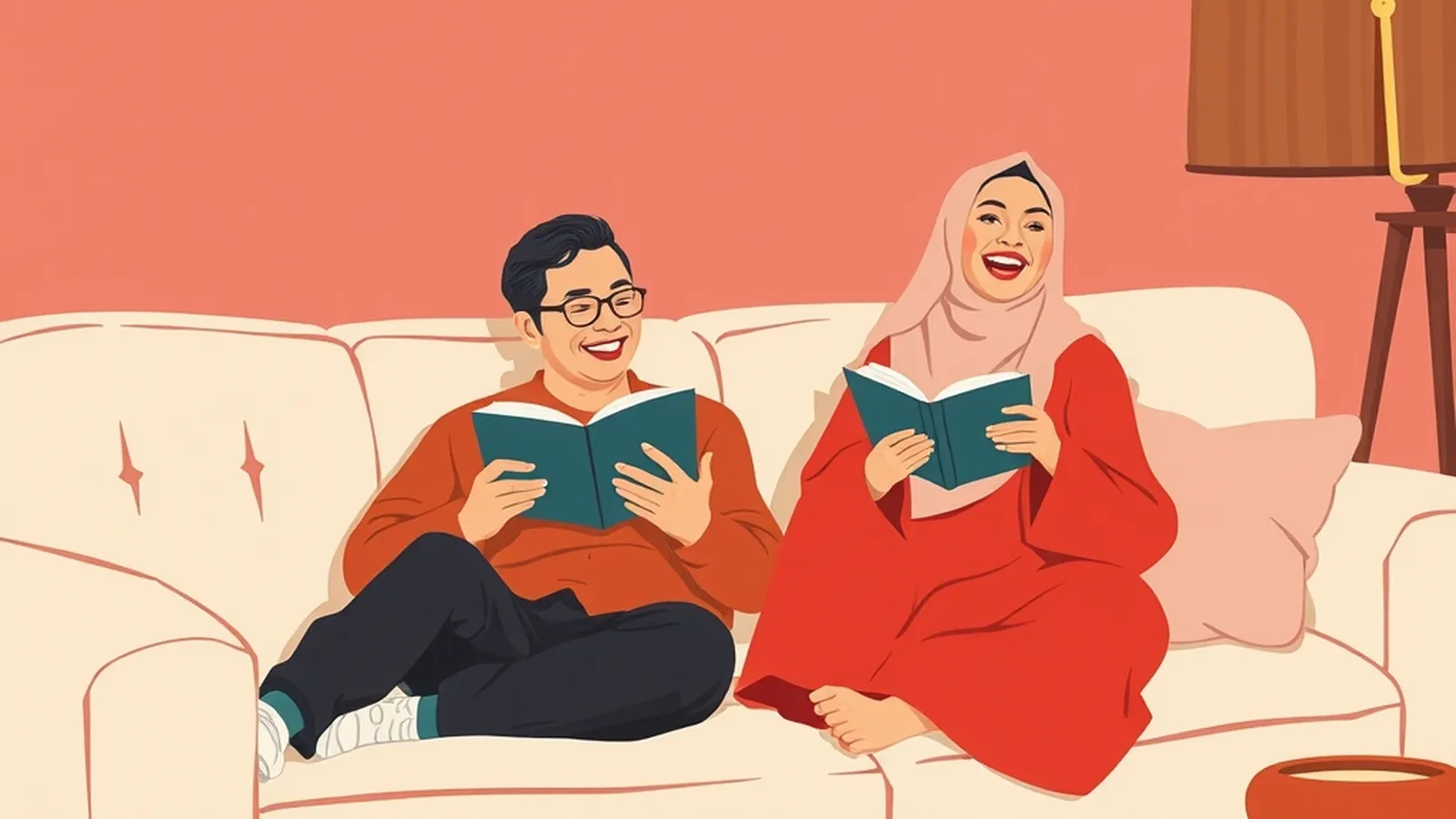
Opposites attract less often than movies suggest. Research on attraction has found that people tend to be drawn to others who share their attitudes and values, and shared values usually make a relationship easier. Differences in personality, energy or hobbies can still add balance and fun, as long as you agree on the big things.
This is one of our guides in the attraction and chemistry section. Below we'll sort out which differences tend to help a couple and which tend to cause friction, then give you practical ways to handle the gaps you do have.
Where the idea comes from
The "opposites attract" story is everywhere: the neat freak and the free spirit, the planner and the improviser. It makes for good movies because conflict is entertaining to watch.
Real life is more mixed. Starting in the 1960s, the psychologist Donn Byrne studied similarity and attraction and found that people tend to be drawn to others who share their attitudes and values. Our guide to what makes someone attractive covers that research alongside other things that draw people together, like familiarity and kindness.
So why does the opposites idea feel true? Partly because differences are easy to notice and similarities are easy to take for granted. Two people might agree about honesty, family and money and never mention it, while arguing every week about whether the thermostat belongs at "cozy" or "arctic."
Differences that often help
Some differences give a couple range and balance:
- Social energy. An outgoing partner can bring a quieter one to new places, and the quieter one can make home feel restful.
- Skills. One person loves cooking, the other happily handles the car and the paperwork.
- Interests. Separate hobbies give you stories to share and a bit of healthy independence.
- Pace. A planner and a spontaneous person can teach each other something, if both stay flexible.
- Backgrounds. Different cultures, faiths or hometowns can enrich a relationship when both people bring curiosity.
Take Nadia and Joon. Nadia recharges at a busy dinner party; Joon recharges with a book and a quiet room. They agree on what they care about most: kindness, saving for a home and staying close to family. Their difference in energy is something to schedule around, not a threat.
Differences that often cause trouble
Other gaps are harder to bridge because they touch how you want to live:
| Area | Why the gap matters |
|---|---|
| Wanting children or not | Hard to meet in the middle; someone may give up something essential |
| Honesty and trust | Different standards here wear away a sense of safety |
| Money values | Spending versus saving shapes daily choices and long-term plans |
| Commitment | One wants exclusivity, the other doesn't |
| Faith or core beliefs, when central to someone | Affects family life, holidays and community |
| How to treat people | Kindness toward others is hard to be flexible about |
None of these automatically ends a relationship. But they need honest conversation early, not a hope that the other person will change. Our guide to chemistry vs. compatibility includes a values checklist that helps you spot these gaps before you're deeply invested.
Why opposites can feel so exciting at first
Sometimes we're drawn to someone because they seem to have what we lack: confidence, calm, a taste for adventure. Early on, that can feel thrilling, even fated. If you've ever felt an instant jolt toward someone completely unlike you, our guide to love at first sight explains why those first feelings run so strong and what they can and can't tell you.
The excitement is real. The test comes later, when the quality you admired becomes the thing you argue about. The spontaneous partner who once felt freeing may feel unreliable when rent is due.
How to handle the differences you have
1. Name them out loud
Say the difference plainly and without judgment: "I like having the weekend planned by Thursday, and you like deciding on Saturday morning."
2. Get curious about the why
Ask, "What does planning ahead, or keeping it open, give you?" There's often a real need underneath, like security or freedom.
3. Look for the trade, not the winner
Try alternating, meeting in the middle or giving each person ownership of different things. "Let's plan one thing each weekend and leave the rest open."
4. Protect the shared core
Remind each other what you agree on. That shared ground is what makes the differences feel safe instead of threatening.
5. Disagree well
Differences mean disagreements, and how you argue matters more than how often. Our guide to how to fight fair covers how to start hard conversations gently and how to repair things when they heat up.
An example conversation
Here's how a couple with different money habits might open the topic:
"Can we talk about money for a few minutes? I've noticed I feel tense when we order takeout a lot, and I think it's because I'm saving for our trip. I'm not saying you're doing anything wrong. Can we figure out a plan that works for both of us?"
Notice what it leaves out: blame, "always" and "never," and labels like "you're so irresponsible." It describes a feeling, explains the need behind it and invites teamwork.
A quick self-check
If you're dating someone who feels like your opposite, ask yourself:
- Do we agree on the three or four things that matter most to me?
- Do our differences make me feel curious, or mostly irritated?
- Can we talk about a disagreement without it turning into a contest?
- Do I respect the way they do things, even when I'd do it differently?
Mostly yes? Your differences may be one of the best parts of your relationship. Mostly no? That's worth an honest talk, not a quiet hope that things will even out on their own. Sometimes the kindest outcome is realizing you'd be better as friends than as partners.
A word of caution about "fix your differences" programs
Some courses promise to turn any mismatch into a perfect match, or claim the right technique will change a partner's personality. People can grow, but no program can make them into someone else. If you're thinking about outside help, our guide to choosing a dating program explains what's worth paying for. For couples facing big gaps in values, a licensed couples therapist can help you talk things through.
Curious about a dating or relationship course?
Some people like the structure of a paid course. This button opens a third-party dating or relationship program from one of our advertising partners. Its claims are its own, not ours, so weigh them against our red flags checklist.
See the partner program →We may be paid when you click. The program shown can change. Read its terms before you buy anything. How this works
Frequently asked questions
Is it better to date someone similar or opposite?
Research suggests people tend to be drawn to others who share their attitudes and values, and shared values usually make daily life smoother. Different personalities or hobbies can still work well, as long as you agree on what matters most.
Can opposites have a successful relationship?
Yes, when the differences are about style, energy or interests and both people respect them. It gets much harder when the differences are about core values, such as honesty, children, money or how to treat people.
Why am I attracted to people who are so different from me?
Differences can feel exciting, and someone who's strong where you're not can seem like a missing piece. That pull is normal. The useful question is whether you also share the values that make a relationship work day to day.